

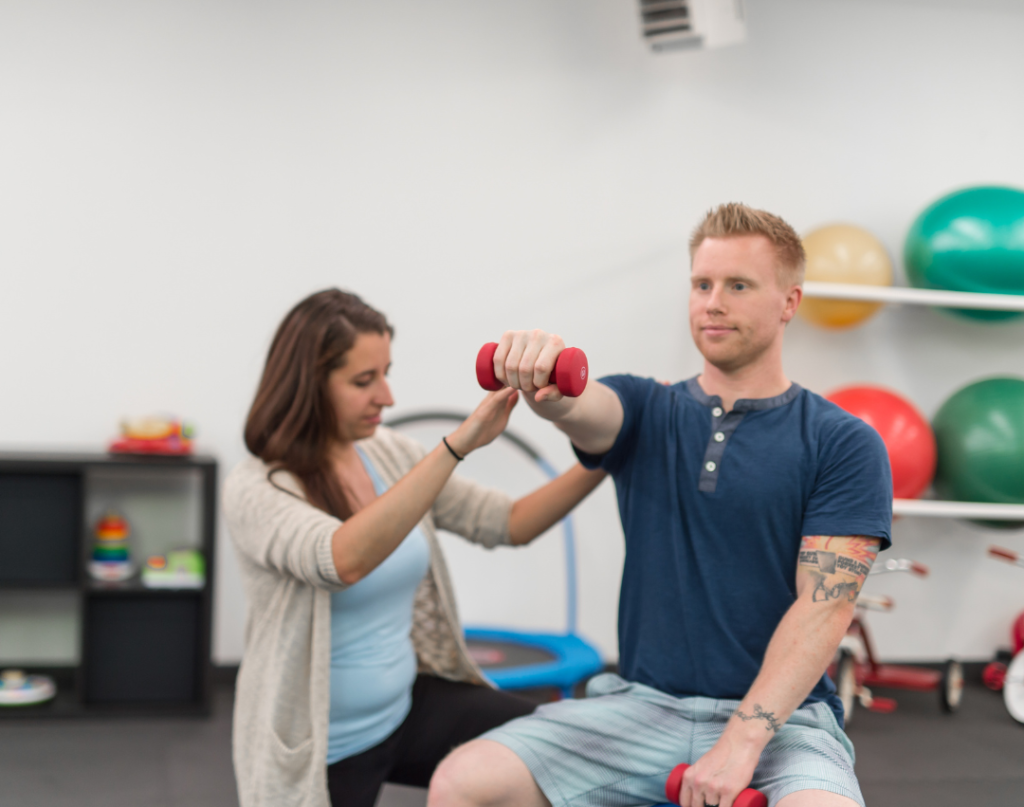
When you’re dealing with pain, stiffness, or movement limitations, the number of care options can feel overwhelming. Physical therapy and sports massage are two of the most commonly recommended aids. While they’re often mentioned in the same breath, they serve different purposes and operate under distinct scopes of practice. Understanding what each modality does (and doesn’t do) helps you choose the right care and, in many cases, get the best results by using them together.
What Physical Therapy Covers
Physical therapy (PT) is a licensed healthcare profession focused on restoring movement, improving function, and reducing pain through evidence-based interventions. Physical therapists are trained to:
- Evaluate and diagnose movement dysfunction
- Create rehabilitation plans
- Address post-surgical recovery
- Prescribe corrective exercises
- Use modalities like electrical stimulation, ultrasound, and manual therapy
- Provide long-term strategies for preventing reinjury
Because PTs treat medical conditions, and work within the medical system, their scope of practice is clinical and broad. They’re particularly essential after acute injuries, surgeries, and chronic musculoskeletal conditions that require structured rehabilitation. PTs help rebuild stability, functional strength, and movement mechanics with a progression that supports healing tissue safely.
What Sports Massage Covers
Sports massage sits within a different, but highly complementary, scope of practice. At Trailblazer, sports massage is a clinical, anatomy-driven modality focused on improving tissue quality, reducing tension, restoring mobility, and supporting optimal movement. Unlike relaxation massage, this work is targeted, specific, and designed for athletes and active individuals.
Sports massage therapists do not diagnose injuries or prescribe medical treatment. Instead, the focus is on:
- Reducing myofascial restrictions
- Improving circulation
- Restoring mobility through targeted soft-tissue work
- Addressing compensatory patterns
- Supporting recovery between training sessions
- Assisting the body’s natural healing processes
How Physical Therapy and Sports Massage Support Each Other
These two professions don’t compete, they complement each other.
Physical therapists build the roadmap of rehabilitation: they identify dysfunction, outline a recovery progression, and retrain movement patterns. Sports massage therapists support that process by improving the tissue environment, decreasing unnecessary tension, and helping the nervous system down-regulate so movement retraining becomes easier and more effective.
Clients often experience the fastest results when using both modalities strategically. For example:
- Rehabilitation: PTs address the injury; sports massage helps reduce protective muscle guarding and encourages better mobility.
- Performance: PTs correct biomechanics; sports massage maintains tissue quality so athletes can train at higher volumes with less fatigue.
- Prevention: PTs identify movement risks; sports massage keeps soft tissue supple and responsive.
When You Should Use Each
- Choose PT when you need structured rehab, post-surgical care, or medical oversight.
- Choose sports massage when you need targeted soft-tissue work, mobility support, recovery care, or performance maintenance.
Together, they create a comprehensive approach that helps you move better, recover faster, and stay active year-round. We know several great physical therapists in Poulsbo and the surrounding areas if you need a recommendation. We’re happy to chat with your PT about how we can best work together to support your needs when you book your next massage.