

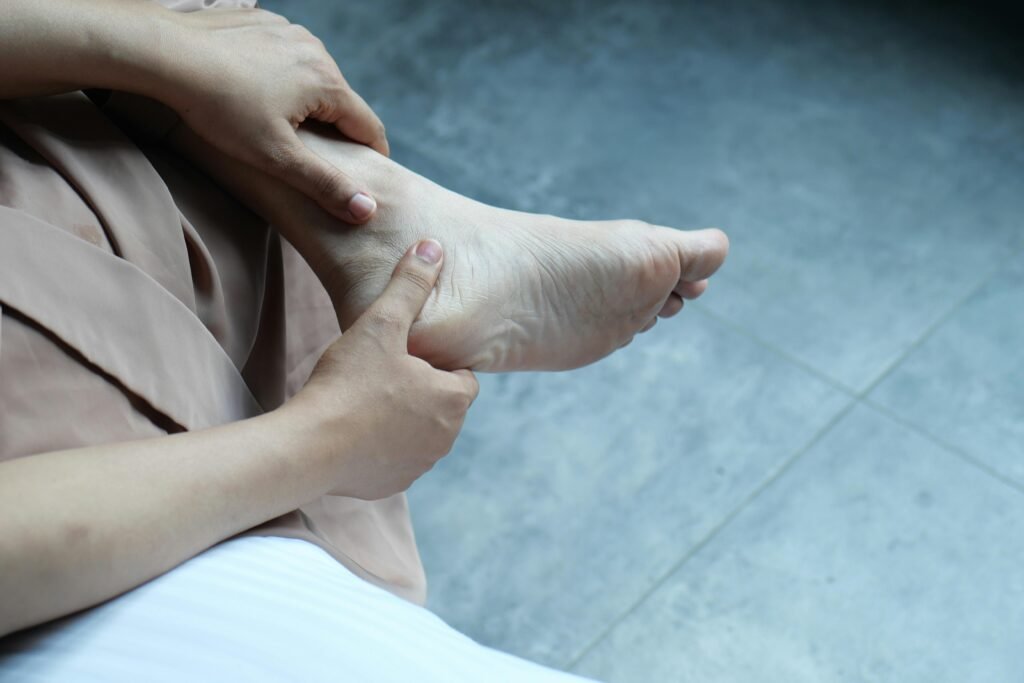
Plantar fasciitis is one of the most common causes of heel pain, especially among runners, hikers, and anyone who spends long hours on their feet. That sharp, stabbing pain with your first steps in the morning or after sitting for a while? Classic plantar fascia irritation. With how common it is, it’s no surprise that many people search for ways to ease the discomfort — and one of the top questions is: Will massage help plantar fasciitis?
The short answer: Yes — when done correctly, massage can be an effective tool in reducing symptoms of plantar fasciitis. But let’s break down why.
What Causes Plantar Fasciitis?
The plantar fascia is a thick, fibrous band running along the bottom of your foot, supporting your arch and absorbing shock. Overload (like increasing mileage too quickly), tight calves, limited ankle mobility, or foot strength imbalances can cause micro-tears and inflammation in this tissue. The result is pain, tightness, and decreased function.
How Massage Helps
1. Reduces Tension in the Calf and Foot Muscles
Most people focus only on the bottom of the foot, but tight calves are often the REAL driver behind plantar fascia irritation. Sports massage targets the gastrocnemius, soleus, and deeper tissues to reduce pull on the fascia and restore normal foot mechanics.
2. Improves Blood Flow and Promotes Healing
Increased circulation brings oxygen and nutrients to the irritated tissue, helping your body repair micro-tears more efficiently. Manual therapy also addresses adhesions and restrictions that limit movement.
3. Restores Mobility in the Foot and Ankle
Massage combined with movement – including joint mobilization, active release, and targeted stretching – helps improve mobility where your body needs it most. Better mechanics = less strain on your plantar fascia during daily activity or training.
4. Addresses Contributing Factors
A skilled sports massage therapist evaluates more than just your foot. Hip mobility, glute activation, and gait patterns can all influence plantar fasciitis. Treating the entire kinetic chain leads to longer-lasting results.
What Massage Can’t Do
Massage isn’t a magic “one and done” fix. Plantar fasciitis is a load-management issue — so results come from combining hands-on work with strengthening, mobility work, appropriate footwear, and progressive return to activity. With consistent bodywork and a solid strength plan, most clients see noticeable relief in a few sessions.
When to See a Sports Massage Therapist
If heel pain has lasted more than 1–2 weeks, is worse in the morning, or limits running, hiking, or walking, a clinical sports massage approach can help. At Trailblazer Sports Massage, we focus on targeted, clothes-on bodywork designed to address the root cause – not just the symptoms – so you can get back to moving pain-free.